
Mysterious As A Design Trait: The Art of Withholding Just Enough That People Cannot Stop Looking
What is the first thing you do when a design gives you everything at once? You look once, register it fully, and move on. Now think about the last image that made you stop and look for a second, third, fourth time: the one where the light source was just out of frame, where the figure turned away at the exact right moment, where the background faded into something you could not quite name. That, my friend, is the mysterious design aesthetic doing exactly what it is built to do: it withholds just enough that your brain refuses to file the thing as seen and done with.
This is not an accident. Withholding is a strategy and the designers who understand it are the ones building the most magnetic visual identities working today.
What the Mysterious Trait Actually Does to a Viewer
The mysterious design aesthetic operates on a single, reliable psychological fact: incomplete information activates curiosity and curiosity is the most sustainable form of attention there is. Not the spike of a shock image, not the warmth of a smile, but the slow hum of a question you cannot stop trying to answer. I find this genuinely one of the most elegant mechanics in all of design; it converts restraint into engagement without spending a single additional asset.
Shadow is the primary tool here. When a designer withholds light, they withhold legibility; and when they withhold legibility, they force the eye to work. Enigmatic branding does this continuously: silhouettes instead of portraits, partial reveals instead of full compositions, colour palettes that sit somewhere between two moods rather than committing to either. The result is an ambiguous visual identity that feels, paradoxically, more specific than something fully lit and fully declared. The mystery tells you: there is more here than I am showing you. The viewer believes it.
Keywords in this territory are: shadowed, veiled, occult, dusk-lit, half-revealed, cinematic, nocturnal; and the emotional register they generate is intrigue, desire, reverence, slightly delicious unease. The opposite of Mysterious is Transparent: open, clear, forthright, nothing behind the curtain. Neither is superior. Transparent is legible and democratic and warm. Mysterious is selective and atmospheric and keeps you up at night in the best possible way.
How Dark, Shadowed and Half-Revealed Shows Up in Practice
The dark mysterious aesthetic lives most naturally in the specific: the candle that illuminates the table but leaves the corners dark, the portrait where the eyes are the only thing in full focus, the floral illustration so densely layered that you cannot see where one bloom ends and the next begins. This last quality is worth dwelling on; depth and layering are how mystery maintains itself at scale. When a surface is visually inexhaustible, it stays mysterious indefinitely.
Atmospheric design elements built around low light, mist and shadow introduce the precise quality of darkness that makes a composition feel inhabited by something just offscreen. This is the visual language to reach for when the brief asks for mood before it asks for information.
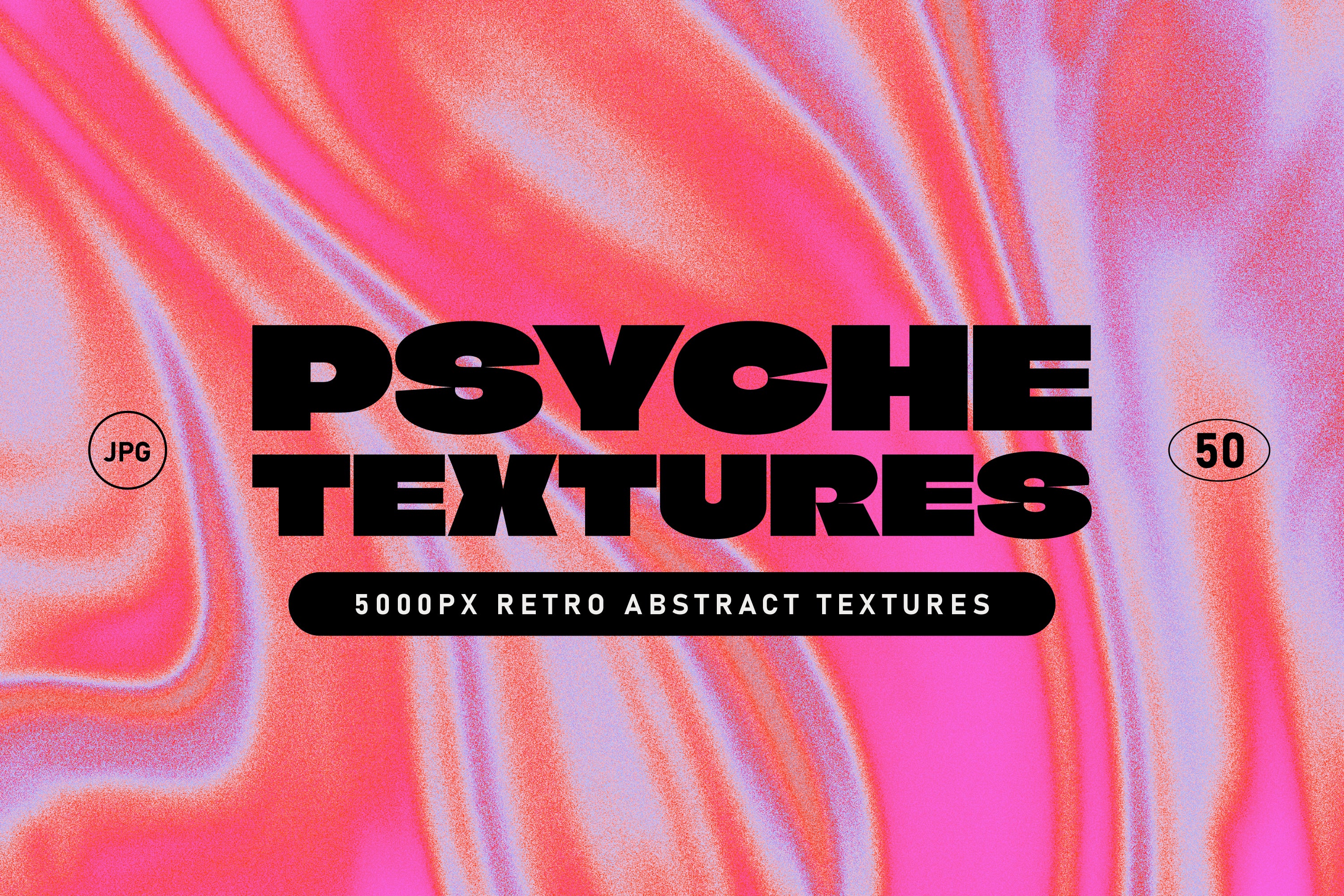
Shop: 50 Psychedelic Textures Set →
In colour, shadow in design means the palette of late dusk: deep plums, petrol blues, near-blacks that are not quite black, the specific colour of forest floor in low light. Contrast is used surgically rather than liberally; a single high-key element against a dark ground does more atmospheric work than a full tonal range ever could.
Typography in the mysterious register tends toward the elongated, the slightly archaic, the restrained: thin serifs with high x-height, spaced display lettering where the tracking implies ceremony, type that seems to emerge from the background rather than sit on top of it. Above all, it does not explain itself. A headline in this aesthetic asks a question rather than answering one.
The Ambiguous Visual Identity and Why Brands Underuse It
Most brand design defaults to clarity because clarity tests well in focus groups and reassures marketing directors. Mysterious design requires institutional nerve; the willingness to let people sit with a question rather than receiving an immediate answer. This is why the brands that do it well tend to be either very small (with a founder willing to trust their own instinct) or very large (with enough cultural authority that mystery reads as confidence rather than confusion).
Dark botanical illustration demonstrates that mysterious does not require minimalism; it can be maximally detailed and still withhold something. Moody florals that are layered, dense and deliberately gothic cannot be resolved in a single glance, which means every glance discovers something. This is shadow in design working through abundance rather than absence and it is a genuinely powerful mode.
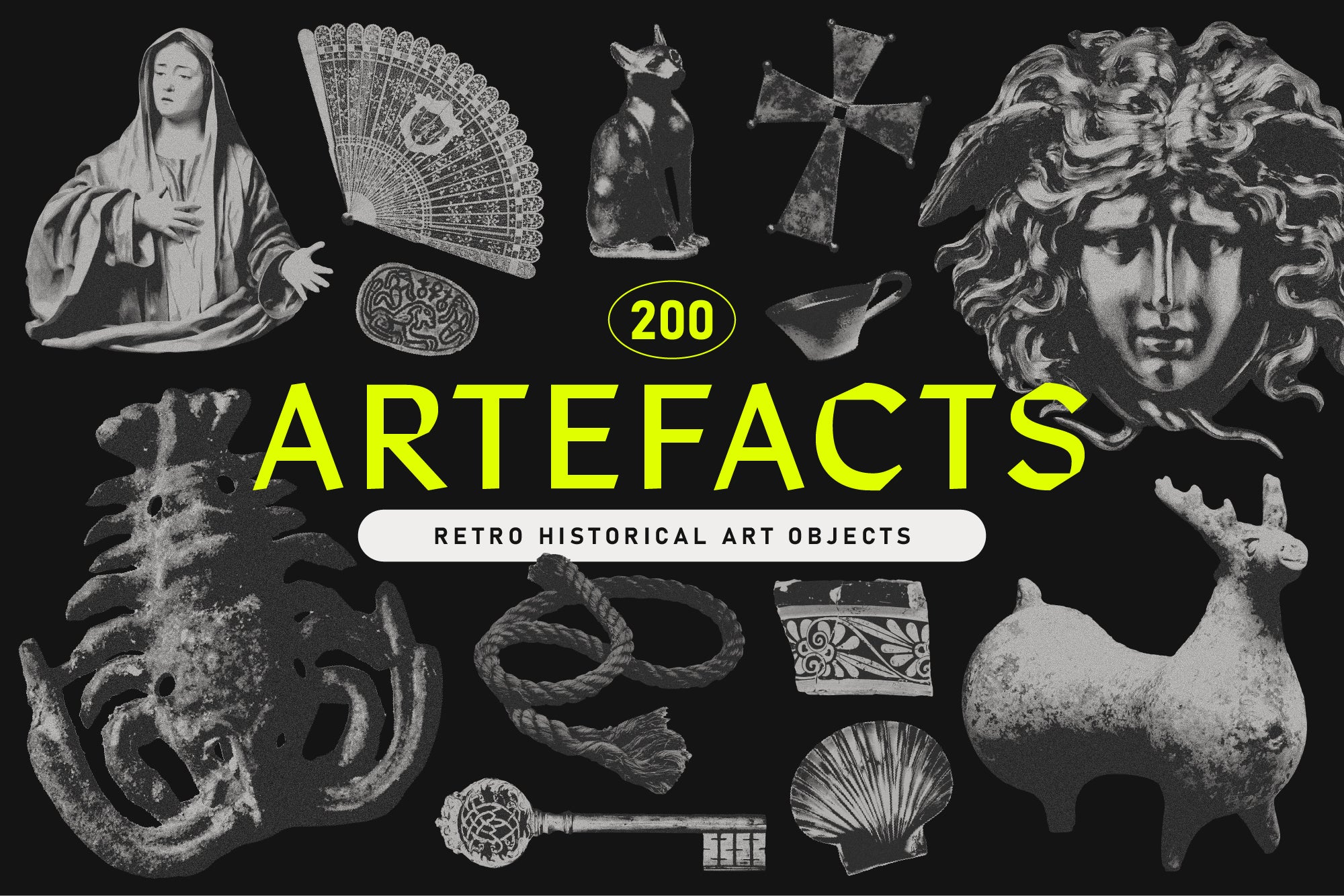
Shop: ARTEFACTS Academia Collage Kit →
For the textural and sonic dimension of the mysterious, atmospheric backgrounds carry the weight that no sharp line could: they suggest depth without explaining it.
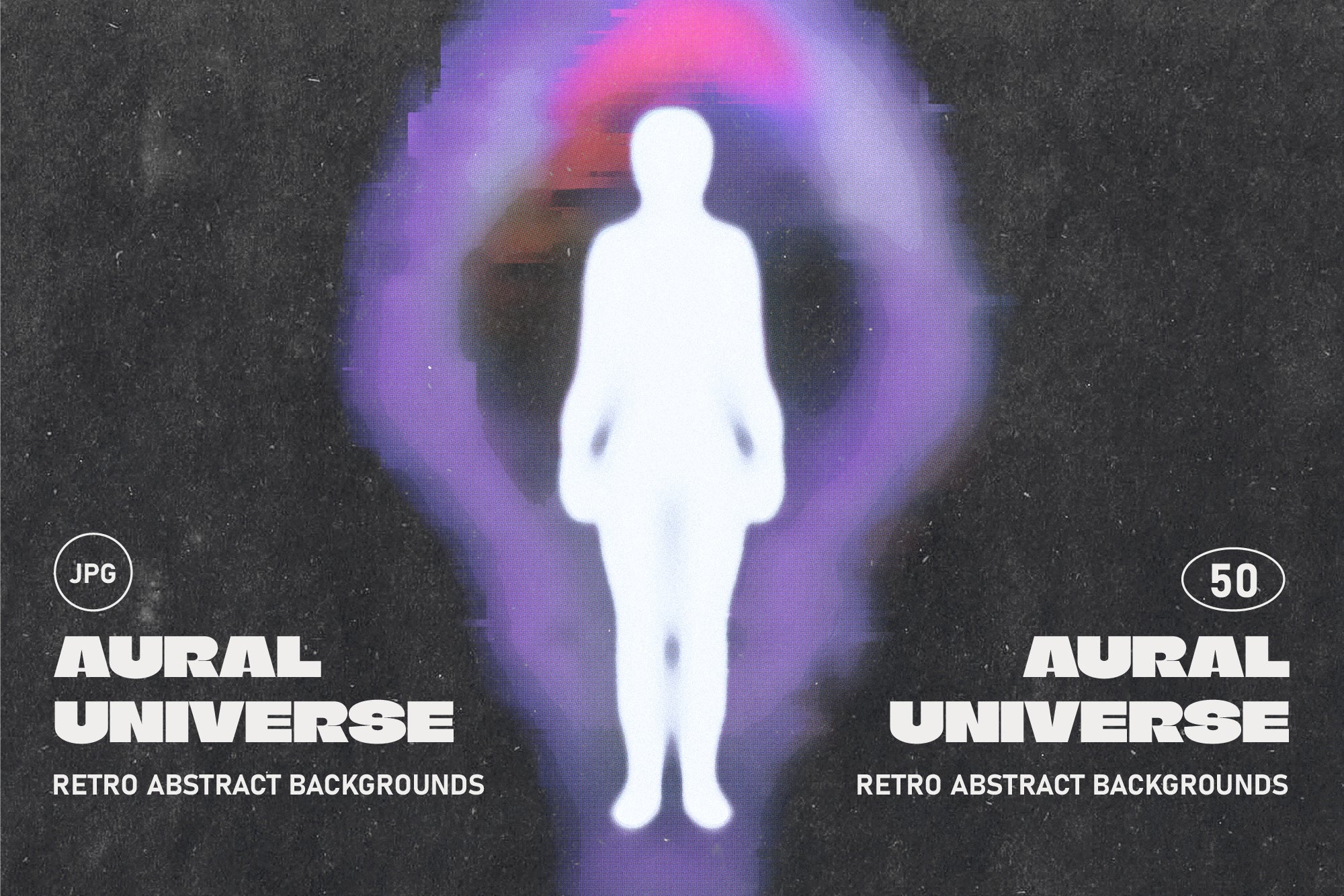
Shop: Aural Backgrounds 4000px →
Ambiguous visual identity is particularly effective in fragrance, fashion, independent publishing and any category where the product's value is experiential rather than functional. In these contexts, the brand that explains itself least often commands the most imaginative real estate in its customers' minds; I have watched this happen and it remains one of the more counterintuitive truths of brand-building.
If you want to explore the full range of traits the AIF Library maps, the Dark trait runs directly parallel to Mysterious and deserves your attention as a companion read.
Where Mysterious Earns Its Place in a Design System
Mysterious is at its most functional in contexts where desire needs to precede understanding: the campaign teaser that does not name the product, the packaging that is deliberately underlit in its campaign imagery, the social image that crops the subject just before the point of full recognition. In each case, the design is not being coy for its own sake; it is engineering the exact emotional state most useful to whatever comes next.
This trait pairs beautifully with Dark, Romantic and Archival: a dark mysterious aesthetic inflected with historical reference reads as ancient and unknowable, which carries enormous cultural weight when used with genuine intention. It pairs interestingly but carefully with Minimal; Mysterious-Minimal is a very specific register (luxury skincare, high-concept fashion) where every withheld element has to pull triple duty.
Shadow in design works across almost every medium: editorial photography, illustration, product packaging, digital art direction, spatial design. The constant across all of them is the same disciplined act of not-showing; choosing what stays in the dark as deliberately as what you bring into the light.
The AIF Library covers the full trait spectrum; if Mysterious resonates, look closely at Dark as its nearest aesthetic relative.
There is a design philosophy buried in all of this and it is simply this: not everything worth knowing announces itself. The most enduring things; people, places, images, ideas; tend to be the ones that give you just enough to stay curious and no more. Mysterious design does not withhold because it has nothing to say. It withholds because it knows, with absolute confidence, that what it is not saying is the most interesting part.